Alocasia Longiloba: The Ultimate Guide to Growing and Caring for this Stunning Plant
Alocasia Longiloba is a striking plant that belongs to the Araceae family. It is a relatively rare species, but it has recently become very popular among houseplant enthusiasts. With its unique look and easy-to-care-for nature, it's not hard to see why Alocasia Longiloba has gained such a following.
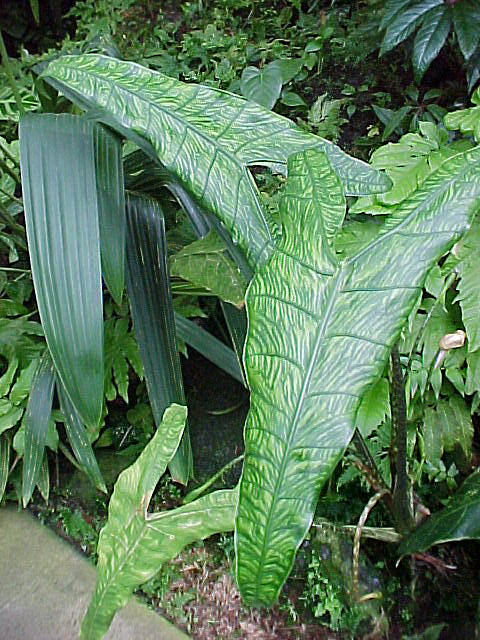
Alocasia Longiloba is native to Southeast Asia, where it can be found in countries like Thailand, Laos, and Vietnam. It is a stunning plant that boasts large, glossy green leaves with prominent veins. The foliage is shaped like an arrowhead, which gives it a unique and eye-catching appearance.
If you're looking to add something special to your plant collection, Alocasia Longiloba might just be the perfect addition. In this guide, we'll take a closer look at everything you need to know about growing and caring for this beautiful plant.
1. What is Alocasia Longiloba?
Alocasia Longiloba is a tropical plant that is commonly known as "Long-lobed Elephant Ear." It is a member of the Araceae family, which includes other popular plants like Philodendrons and Monstera deliciosa. This plant is characterized by its long, arrow-shaped leaves and its tall, sturdy stems.
2. How do I care for Alocasia Longiloba?
Alocasia Longiloba is a relatively low-maintenance plant, which makes it a great choice for beginner gardeners. Here are some tips to help you care for your Alocasia Longiloba:
- Water: Alocasia Longiloba prefers moist soil, but it's important not to overwater it. Make sure the soil is well-draining and only water when the top inch of soil is dry.
- Light: This plant prefers bright, indirect light. Avoid placing it in direct sunlight, as this can scorch the leaves.
- Temperature: Alocasia Longiloba thrives in warm temperatures between 65°F and 85°F. It's important to keep it away from cold drafts or air conditioning vents.
- Fertilizer: This plant benefits from regular fertilization during the growing season (spring and summer). Use a balanced fertilizer every two weeks.
- Humidity: Alocasia Longiloba loves humidity! You can increase the humidity around your plant by misting it regularly or placing a humidifier nearby.
3. How do I propagate Alocasia Longiloba?
Propagation is an excellent way to expand your plant collection or share your love of gardening with friends. Here are two methods for propagating Alocasia Longiloba:
- Division: To divide your Alocasia Longiloba, carefully remove it from its pot and gently separate the roots. Make sure each new section has at least one stem and a healthy root system. Repot each section into its own container.
- Stem cuttings: Select a healthy stem and cut it just below a node. Place the cutting in a jar of water and wait for roots to form. Once the roots are a few inches long, you can transplant the cutting into a pot.
4. What pests and diseases should I look out for?
Like all plants, Alocasia Longiloba can be susceptible to pests and diseases. Here are some of the most common issues you may encounter:
- Spider mites: These tiny pests can cause webbing and yellowing leaves. They thrive in dry conditions, so make sure to keep the humidity levels up.
- Mealybugs: These white, fluffy insects can suck the sap out of your plant, causing stunted growth and yellowing leaves. You can remove them with a cotton swab dipped in rubbing alcohol.
- Root rot: Overwatering can lead to root rot, which is a fungal disease that affects the roots of the plant. If you notice your plant's leaves turning yellow and falling off, it may be a sign of root rot.
5. What are some common Alocasia Longiloba varieties?
There are several different varieties of Alocasia Longiloba, each with its own unique look. Here are a few popular ones:
- Alocasia Longiloba "Dragon Scale": This variety has textured leaves that resemble dragon scales. The leaves are a deep green color, and they have a metallic sheen.
- Alocasia Longiloba "Black Velvet": This variety has dark green leaves with a velvety texture. The undersides of the leaves have a purple hue.
- Alocasia Longiloba "Bambino Arrow": This dwarf variety has smaller leaves than the other varieties, but they still boast the characteristic arrowhead shape.
6. How big does Alocasia Longiloba get?
Alocasia Longiloba can grow up to 3 feet tall and 2 feet wide. However, this will depend on the size of the pot you use and the environmental conditions you provide.
7. Is Alocasia Longiloba toxic to pets?
Yes, Alocasia Longiloba is toxic to cats and dogs. If ingested, it can cause vomiting, drooling, and difficulty swallowing. Make sure to keep your plant out of reach of curious pets.
8. Can I grow Alocasia Longiloba outdoors?
Alocasia Longiloba is a tropical plant that thrives in warm, humid conditions. It is not frost-hardy and should not be grown outdoors in areas with cold winters. However, if you live in a warm climate, you can grow Alocasia Longiloba outdoors as long as you provide it with the right conditions.
9. How often should I repot my Alocasia Longiloba?
Alocasia Longiloba prefers to be slightly root-bound, so you don't need to repot it very often. Repotting every 1-2 years is usually sufficient. When you do repot, make sure to use a well-draining potting mix and a container that is only slightly larger than the previous one.
10. What are some creative ways to display Alocasia Longiloba?
Alocasia Longiloba is a stunning plant that deserves to be displayed in style. Here are some creative ideas:
- Macrame hanger: Hang your Alocasia Longiloba from the ceiling using a macrame hanger for a bohemian look.
- Terrarium: Create a mini garden by placing your Alocasia Longiloba in a terrarium with other plants.
- Statement pot: Choose a pot that complements the unique look of your Alocasia Longiloba and makes it a statement piece in any room.
Alocasia Longiloba is a beautiful plant that is easy to care for and adds a touch of jungle-like atmosphere to any room. With its large, glossy leaves and unique arrowhead shape, it's no wonder this plant has become so popular among houseplant enthusiasts. By following the tips in this guide, you can ensure that your Alocasia Longiloba thrives and remains a centerpiece of your plant collection for years to come.
Frequently Asked Questions
Q1. Is Alocasia Longiloba poisonous?
Yes, Alocasia Longiloba is toxic to cats and dogs if ingested. It can cause vomiting, drooling, and difficulty swallowing.
Q2. How often should I water my Alocasia Longiloba?
Water your Alocasia Longiloba when the top inch of soil is dry. It's important not to overwater, as this can lead to root rot.
Q3. Can I grow Alocasia Longiloba in low light?
Alocasia Longiloba prefers bright, indirect light. While it can tolerate some lower light conditions, it may not thrive or grow as well.
Q4. What kind of soil does Alocasia Longiloba need?
Alocasia Longiloba prefers well-draining soil that is rich in organic matter. Make sure the soil is not too compacted, as this can lead to soggy roots.
Q5. Can I fertilize Alocasia Longiloba during the winter months?
Alocasia Longiloba is a tropical plant that goes dormant during the winter months. You should avoid fertilizing it during this time and wait until spring when it begins to grow again.
Q6. How do I know if my Alocasia Longiloba needs to be repotted?
If your Alocasia Longiloba is showing signs of being root-bound (e.g., roots growing out of the bottom of the container), it's time to repot. You can also repot if the soil has become compacted or if you want to give your plant more room to grow.
Q7. Can I prune my Alocasia Longiloba?
Yes, you can prune your Alocasia Longiloba to encourage bushier growth. Simply snip off the top of the stem where you want new growth to appear.
Q8. What kind of pests are attracted to Alocasia Longiloba?
Alocasia Longiloba can attract pests like spider mites, mealybugs, and scale insects. Keep an eye out for signs of infestation and treat them promptly.
Q9. Can I grow Alocasia Longiloba in water?
Alocasia Longiloba can be grown in water, but it's important to change the water frequently to prevent mold and bacteria from forming.
Q10. How do I increase humidity around my Alocasia Longiloba?
You can increase humidity by misting your plant regularly, placing a tray of water near it, or using a humidifier.
15 Alocasia longiloba Images

17 Best Images About ALOCASIA COLOCASIA On Pinterest Elephant Ears

Alocasia Purple Prince Plant Leaves Hawaii Island Foliage

17 Best Images About Colocasia And Alocasia On Pinterest Live Plants

Lasplantasid Alocasia Longiloba Korthalsiicomplex

Lasplantasid Varigated Alocasia Longiloba Plant Leaves Plants

Elephant Ear Low Rider Alocasia Hybrid Colocasia And Alocasia

Pin On Araceae

190 Elephant Ear Plants Ideas In 2022 Elephant Ears Plants Elephant

The Newest Addition Variegated Alocasia Macrorrhiza Indoor Plants

Alocasia Micholitziana Aka Alocasia Frydek Indoor Vegetable Gardening

17 Best Images About ALOCASIA COLOCASIA On Pinterest Mojito Live
Alocasia Cucullata Windy Aubrey ALOCASIA COLOCASIA Pinterest

17 Best Images About Colocasia And Alocasia On Pinterest Sun Shock

Alocasia Batu 2 Alocasia Plant Rare Plants Perennial Flowering Plants

Alocasia Longiloba Watsoniana Jardinagem Paisagismo Plantas
Post a Comment for "Alocasia Longiloba: The Ultimate Guide to Growing and Caring for this Stunning Plant"